 610 54 60 43
 info@lyricaudio.com


Description
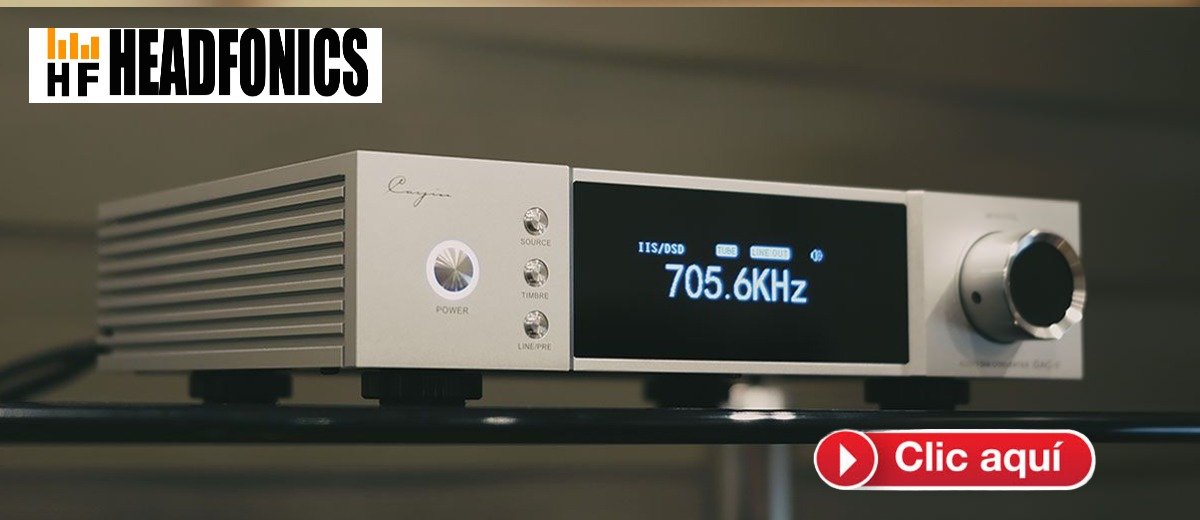
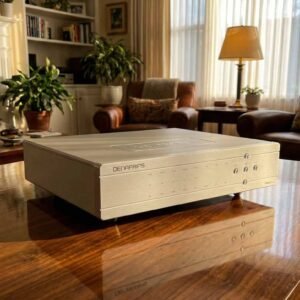
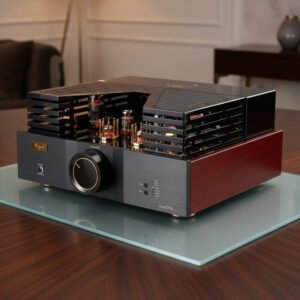
Following our flagship music player, the Cayin N30LE, which featured AKM AK4499EQ DACs and a valve output stage and received rave reviews, comes the new iDAC-8 valve DAC/preamplifier. The iDAC-8 delivers a unique sound experience with a tandem of AK4191EQ – AK4499EXEQ DAC chips and a 6H6b-B valve circuit.

Two triode tubes per channel are responsible for current amplification and driving the positive or negative phase of a channel, ensuring excellent musical reproduction.
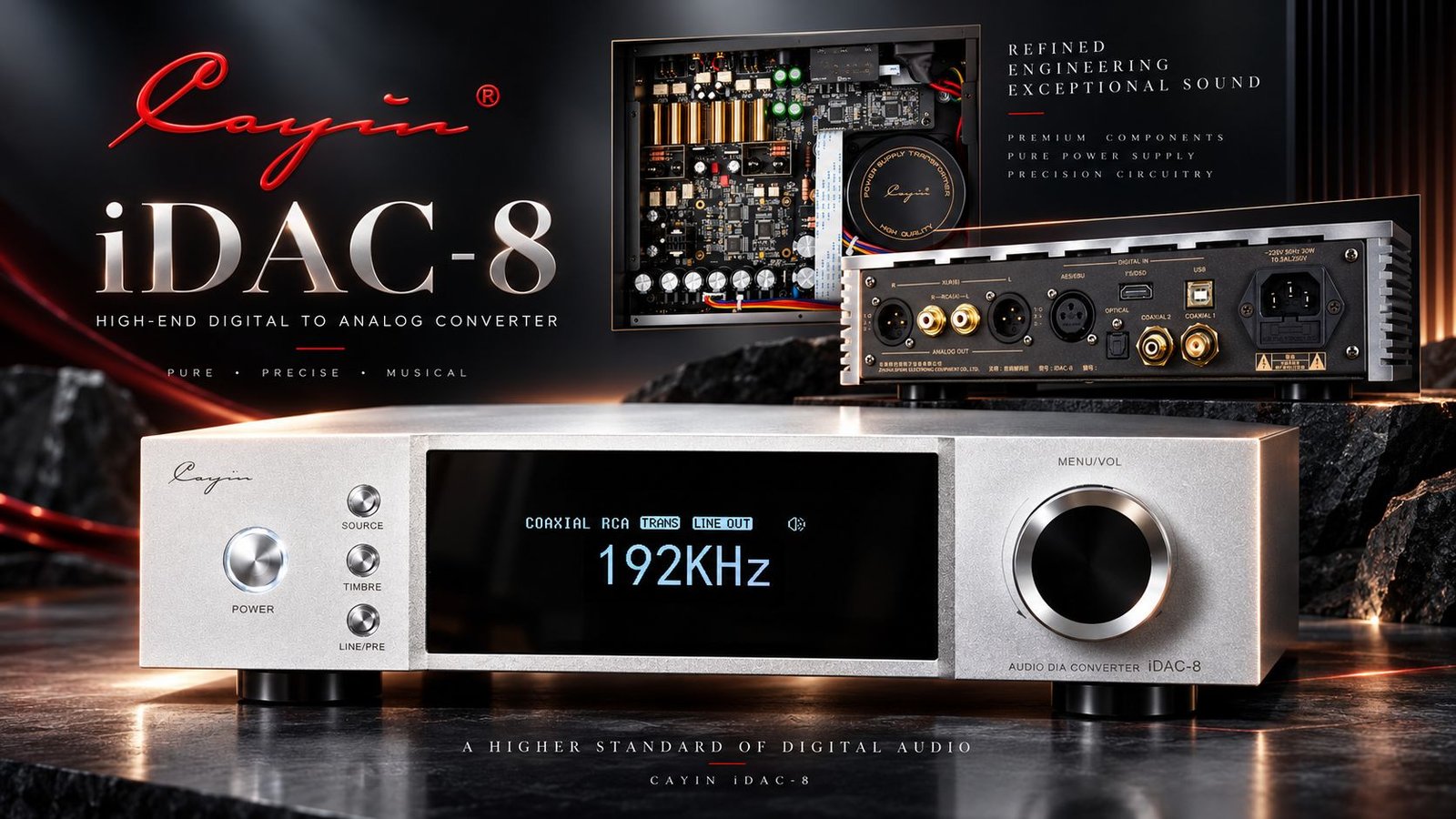
An output stage of the iDAC-8 consists of two triodes operating in parallel in the 6H6b-B valve as cathode followers. This increases the current load capacity and reduces noise. A fast-switching, low-resistance Vishay MOSFET is connected in series as a voltage follower for the second output stage.
The iDAC-8 can operate as a valve or, alternatively, as a solid-state preamplifier. Regardless of how well the AK4191EQ's 64-bit digital filters and volume control work, Cayin has also opted for an analogue volume control. By using the JRC NJW1195A chip, digital losses are avoided and the resolution of the iDAC-8 is fully preserved at any attenuation level.
Sofisticado, abierto y aireado: además de su transparencia neutra y su excelente sonido, el iDAC-8 también ofrece posibilidades de combinación técnica y visualmente adecuadas.
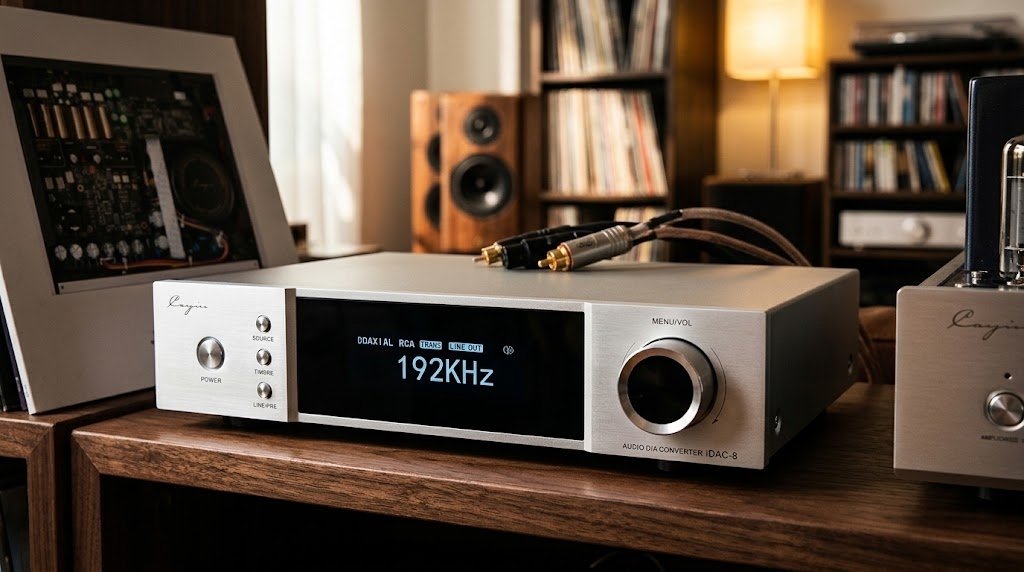 No sólo forma un sistema completo coordinado con nuestro nuevo amplificador de auriculares iHA-8 y reproductor de audio iDAP-8, sino que también se puede utilizar como convertidor externo para el Mini-CD MK2. Porque sus entradas I 2 S y AES/EBU lo convierten en un maravilloso mediador para la conversión de digital a analógico.

Or combine the iDAC-8 with the Cayin HA-2A valve headphone amplifier, which was released at the same time.





 Spanish
 English
RUBEN BENEDICTO RODRIGUEZ (verified owner) –
The Cayin iDAC-8 represents an improvement on its predecessor, the Cayin iDAC-6 mk2. In my case, I use it exclusively as a line-level DAC rather than as a preamplifier. In «Line Out» mode, compared to the previous model, its sound is sharper, providing clarity to identify the different sounds in the mix. The timbre is faithful to the sound of each instrument. The ability to switch between solid-state and valve operation adds versatility.